

Liquidation Preferences Explained (With Exit Waterfall Tables)
One cap table, four sets of terms and five exit values, so you can see who gets paid what. A…

Down Rounds in 2026: Data, Anti-Dilution Examples and Alternatives
A down round is a financing priced below the previous round. In Q2 2026, 12.1% of the venture deals…
Dilution: What It Is and How to Calculate It (4 Worked Examples)
Dilution is the fall in your ownership percentage when a company issues new shares. Your share…

Setting Up Your First ESOP with Quintus Willemse of Share Council [The Equidam Podcast – 19]
The Equidam Podcast, Episode 19. Quintus Willemse, founder of Share Council, on setting up a first…

Why Your Startup Valuation Came Out Negative (and What It's Telling You)
A negative number isn't a verdict that your company is worthless. It's the math telling you…

Don't Reverse Engineer Your Startup Valuation to Fit the Deal
A valuation earns its keep before the raise, as your anchor. Building one backwards to justify a…

What Is My Startup Equity Actually Worth? The Honest Math, with US and European Numbers
TL;DR: There are two numbers worth knowing about your equity: the conditional payout (what you…

Are Equidam valuations auditor-friendly?
How the platform supports formal compliance and investor scrutiny. Short answer: yes. Equidam-built…

How Much to Raise: The Competitive Angle Most Founders Miss
Every founder preparing to raise asks the same question: how much should I raise? The standard…
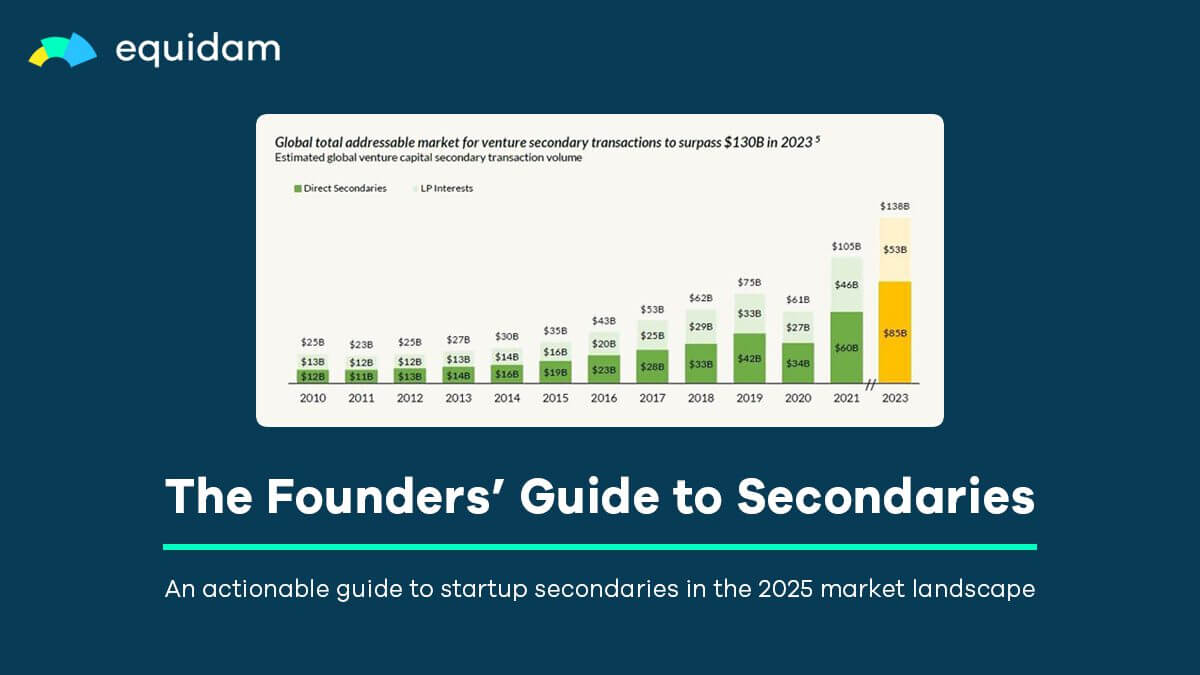
The Founders Guide to Secondary Transactions in 2025
Secondary transactions are sales of existing shares, by founders, employees, angels, or fund…
